










Segmented Diamond Saw Blades: Advantages, Drawbacks and Their Dominant Market Position
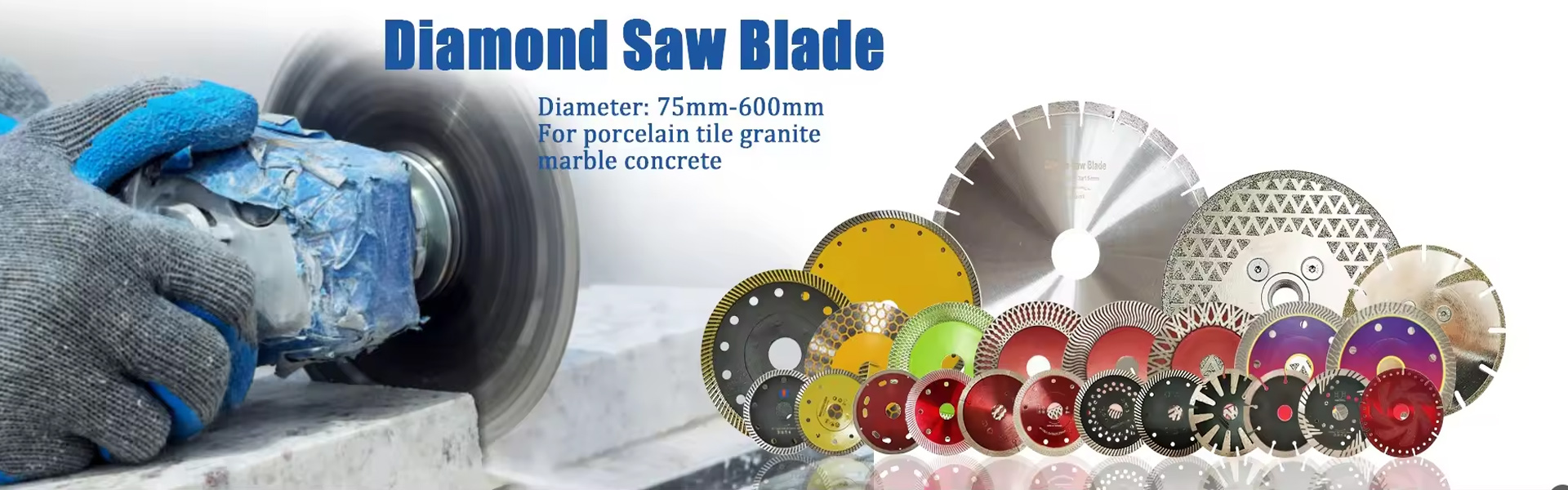
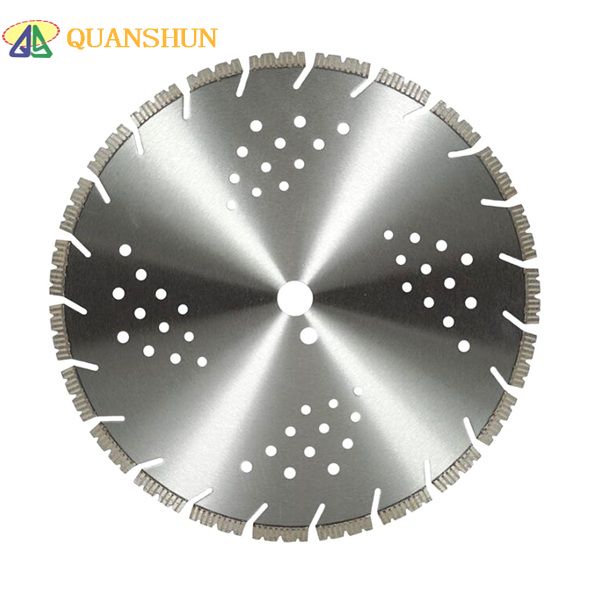
Segmented diamond saw blades are one of the most widely adopted cutting tools in the global diamond tool industry, easily recognised by evenly spaced gullets separating independent diamond segments on the rim. This special structure shapes its unique performance and underpins its core status in construction and stone processing markets.
The biggest strengths of segmented diamond blades lie in excellent heat dissipation and fast chip removal. The open slots between segments let airflow or cooling water reach the cutting zone directly, effectively lowering operating temperature and greatly reducing the risk of blade core overheating, warping or burning during long continuous cutting. These gullets also quickly discharge rock slurry, dust and cutting debris out of the kerf, avoiding clogging and keeping cutting speed stable. They support both dry-cut and wet-cut operations, perform reliably on heavy-duty rough cutting for concrete, reinforced concrete, granite, brick, asphalt and masonry, and boast strong impact resistance and long service life for site demolition and infrastructure projects.
Nevertheless, segmented blades carry obvious limitations. The intermittent cutting action will leave relatively rough cut edges, with a higher chance of edge chipping. They run louder and create stronger vibration compared with continuous rim or turbo blades. For fine finishing work, thin porcelain tiles, fragile marble and decorative engineered stone, they are not the ideal option, as gaps between segments tend to crack or damage delicate material surfaces.
In terms of market share, segmented diamond saw blades hold the dominant position in the general construction and rough stone-cutting segment. Among all types of diamond saw blades sold to contractors, road maintenance teams and general hardware distributors, segmented versions usually account for 50% to 70% of total sales volume. Infrastructure expansion, road renovation and residential construction growth worldwide continuously drive stable demand. While continuous-rim blades occupy the niche market for precision finishing, and turbo blades fill the middle demand for balanced speed and smoothness, segmented blades remain the mainstream high-volume product due to strong versatility and cost performance. In China’s diamond tool export business, segmented blades are also the flagship product for overseas sales, especially popular in the Middle East, Southeast Asia and Australia’s engineering and quarry markets.
Looking ahead, the market will keep growing. Manufacturers are upgrading segment formulas, laser welding technology and segment layout to reduce vibration and improve edge quality, gradually narrowing the performance gap for semi-finished cutting. Even with emerging new-style diamond blades, segmented diamond saw blades will maintain their leading position for a long time because no alternative can match their comprehensive advantages for heavy-duty rough cutting.
 Ribbed PDC Core Bits: Strength
 Segmented Diamond Saw Blades:
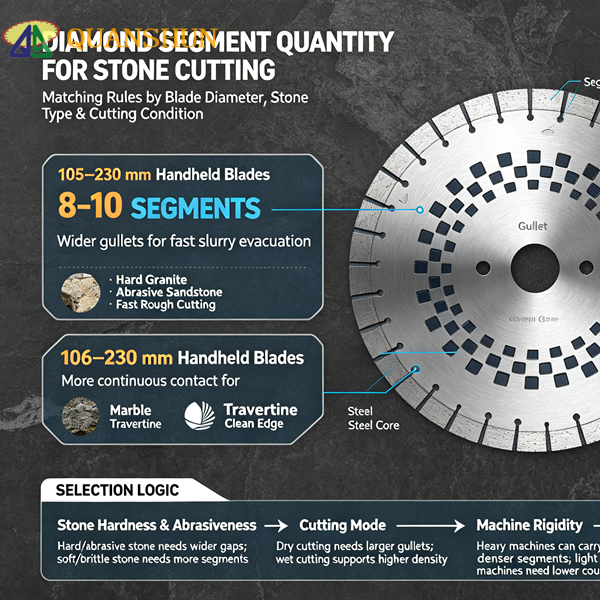 Segment Count Selection for Di