










How to Pick the Optimal Drill Bit for Gold Exploration & Mining Projects
Choosing an unsuitable drill bit will drag down your penetration rate, trigger frequent tool breakage, and create unnecessary losses on your gold exploration budget. Every gold drilling campaign faces variable, tricky ground conditions, so this early selection decision directly decides whether your whole exploration project runs smoothly or falls behind schedule.
Selecting the ideal drill bit for gold mining is never a one-size-fits-all choice. You have to match the bit design carefully to the actual geological profile of your gold deposit. Key factors you need to evaluate include rock hardness, quartz content, abrasiveness, degree of rock fracturing, your drilling method, and the power and capacity of your drill rig.
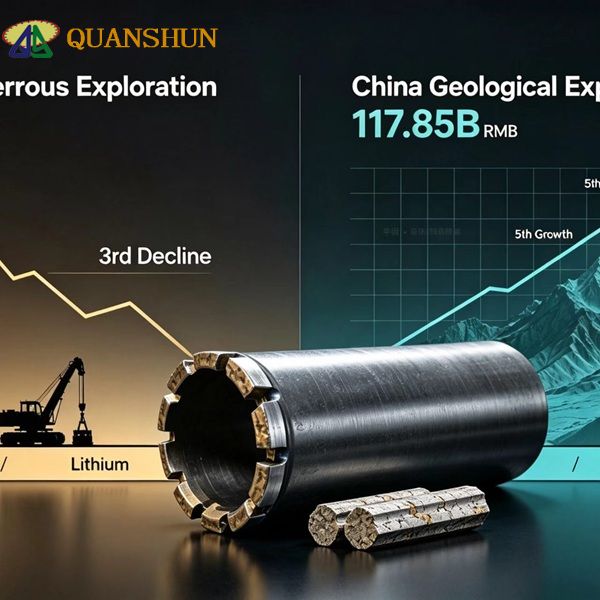
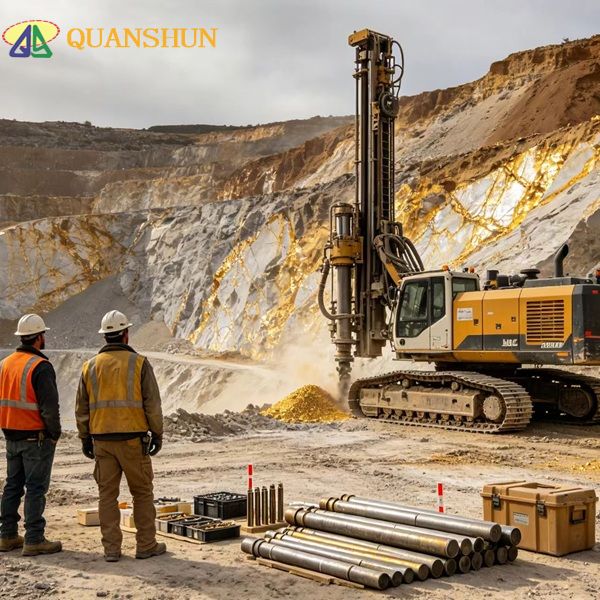
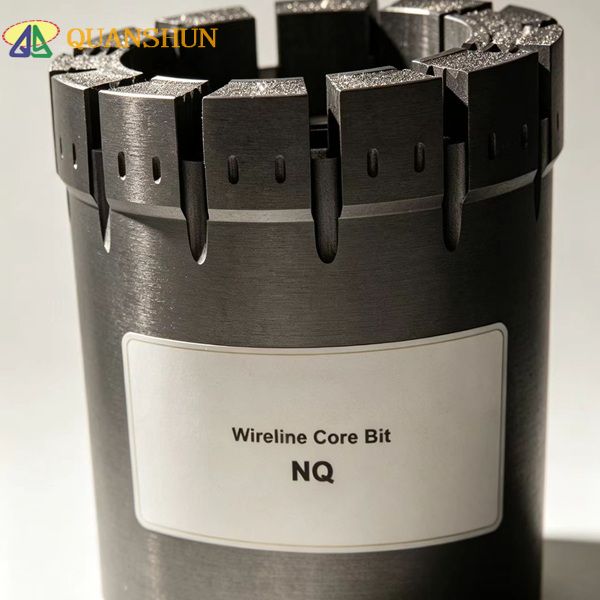
Gold deposits often come with complex formations: some gold ore sits in soft to medium, relatively intact rock, while many gold veins are hosted in highly abrasive quartz-rich hard rock, sometimes with heavy fracturing. A Tricone bit offers reliable versatility and works well for mixed, unpredictable ground in gold fields. A PDC bit shines on soft and uniform rock, delivering fast penetration and stable footage. For hard, quartz-heavy gold-bearing formations, impregnated diamond core bits are usually the preferred option, protecting core integrity while extending service life.
Getting the bit matched correctly reduces downtime, cuts replacement frequency, preserves high-quality core samples for gold assaying, and brings down your overall drilling cost per meter.
 Diverging Exploration Landscap
 How to Pick the Optimal Drill
 Strategic Mineral Exploration
 Hard Rock Core Drilling: Relia