











Core‑Sampling Drill Bits: Critical Tool for Reliable Sub‑Surface Geological Assessment
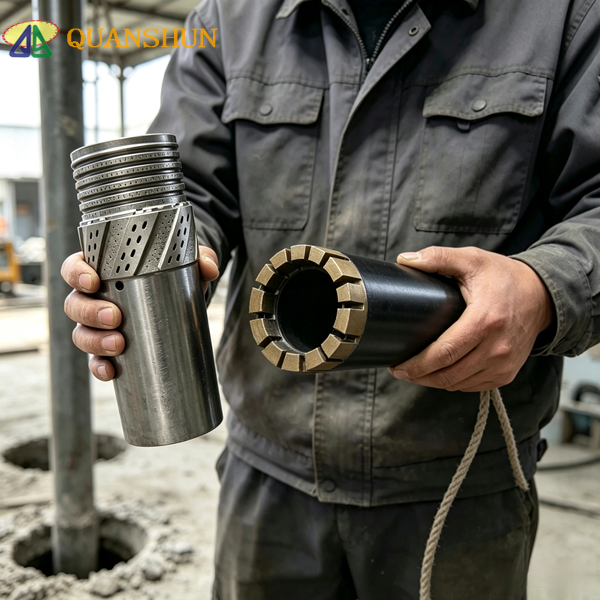
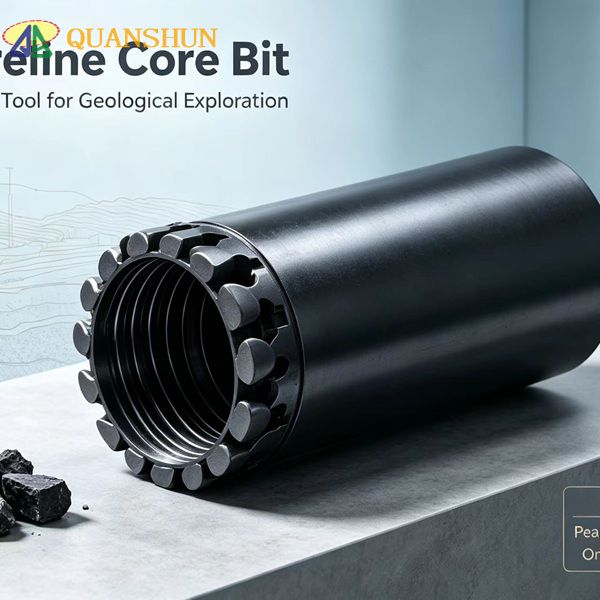
Core drill bits are hollow cylindrical drilling implements specially engineered for geological investigation, carving an annular cut inside various rock strata during drilling operations. In sharp contrast to full‑hole drill bits which pulverize the whole borehole rock into fine rock chips, core bits only excavate rock material around the borehole circumference. This special working principle keeps a complete cylindrical rock sample, known as rock core, preserved inside the inner barrel of the core barrel assembly. Field crews can later recover this intact core sample for geologists to conduct comprehensive laboratory and on‑site assessments, including ore‑grade estimation, rock structural interpretation, fracture identification, as well as underground aquifer and groundwater‑flow evaluation.
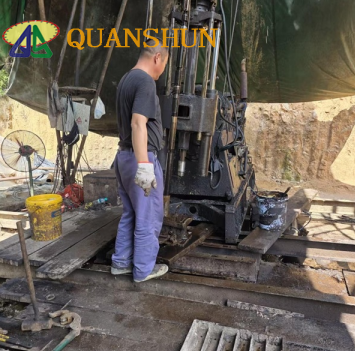
Cutting performance relies heavily on high‑performance diamond segments or tungsten‑carbide cutting inserts fitted onto the bit crown section. When the drill string spins and applies controlled weight‑on‑bit downhole, these cutting components abrade and shear rock formations efficiently. Meanwhile, circulating water or specialized drilling mud serves multiple vital functions: it delivers effective cooling for the over‑heated bit face, lowers frictional heat generated during rock breaking, and transports rock cuttings out toward the ground surface. Proper matching between bit type and ground conditions enables operators to retrieve undisturbed, uninterrupted core specimens. Such well‑preserved samples faithfully retain original underground stratification features, delivering trustworthy geological evidence for mineral prospecting, geotechnical survey, geothermal exploration and infrastructure foundation investigation projects.
 Boost Drilling Efficiency &
 Core‑Sampling Drill Bits: Crit
 Key Strategies for Selecting I
 Industrial-Grade Drill Bits: S